By now Raymond was starting to teach us more Swahili words, the main language of Tanzania and this included one of my favourites, ‘hakuna matata’ and it really described the sort of mood we were in by now. It means ‘no worries’!
The Crater
We reached this park’s main registration office around 5:30pm and after another elongated process to gain entry, Raymond returned with our paperwork and made it clear to us that we had to make some pace to reach the next gate. Raymond also now introduced us to a new local expression called ‘an african massage!’.
Up till now and including the previous parks, we had been driving on either paved roads or pretty smooth dirt tracks. As soon as we passed through the entrance into this huge conservation area on our way to another gate up the mountain, the road became very rough and rocky. So the bouncing and jolting started and we started receiving our first true ‘african massage’.
It was getting darker as the sun set and we progressed up the side of the mountain, the 6:00pm deadline looming and it was about 6:05pm when we finally reached the gate. As Raymond had predicted, the boom gate had been lowered and the area was now under armed guard. The AK47 toting guard checked out Raymond’s paperwork with a constant stony faced expression and finally, almost reluctantly raised the boom.
We had just truly entered into the Ngorongoro Conservation Area and more importantly, the mountain we were climbing up the side of was actually the rim of the famous Ngorongoro Crater. The reason for the 6:00pm deadline and heavily armed guards is due to an intense focus on stopping poaching, especially within the crater itself. The crater is home to at least 8 black rhinos, each of which has a location transmitter on it and each of them is closely protected 24 hours a day.
In the darkness we reached the large and comfortable Ngorongoro Serena Lodge where we would be staying for 2 nights, perched right on the edge of the rim of the crater. We couldn’t see a thing, nor would we in the morning because the agreed plan was for us to head out before sunrise, at 6am (which is when the gates re-open), down a one way road into the crater.
OMG! As the sun rose and we ‘massaged’ our way down the winding dirt track leading to the crater floor, we started to truly appreciate just how huge this crater really is.
Ngorongoro Crater is the world's largest inactive, intact, and unfilled volcanic caldera and was formed two to three million years ago. It is 610 metres (2,000 feet) deep, its floor covers 300 square kilometres (116 square miles) and is approximately 32 kilometres (20 miles) across. It’s bloody big and very very impressive!
 |
| The Crater |
With the light of a new dawn progressively streaming out across the floor of the crater, we also rapidly understood what an animal ‘paradise’ the crater is. They are all here except for cheetah, giraffe and leopard, the latter which can be found up around the top of the rim of the crater. The animals can come and go if they choose to, but most don’t because everything is here. The crater receives plenty of rain to grow food for the grazing animals and there are plenty of those for the predators to eat.

Breakfast was enjoyed parked near a large herd of resting cape buffalo as we watched through binoculars, a black rhino and her baby wandering across the plains area.
After watching some huge bull elephants near a marsh and another make two game drive cars look very small, we eventually had lunch next to a hippo pool along with a small crowd of other people.
 |
| this bull elephant makes the cars look small |
 |
| my what big tusks you have! |
 Other highlights included 2 vultures feeding on the carcass of a hyena, a first for Raymond that had him reaching for his camera again.
The other involved three large male lions fast asleep in the grass after a long night feeding on buffalo. Whenever key animals are found, like lions, any nearby vehicles race to where they were.
 |
| Feeling confident |
 |
| Ooops... time to retreat! |
One odd sight we weren’t expecting was when we spotted two people standing on the floor of the crater, one holding an umbrella over his head and next to them, a herd of goats… ‘what the!’. Raymond chuckled at our reaction and explained that the local Masai have a long standing right to graze their animals in the crater but have to move them out by 6 pm each day.
 |
| wonder how many goats they lose?? |
There were many photos taken that day and as we climbed back out of the crater late in the day up another one way road and thunderstorms swept in over the crater bringing brief but heavy rain to the animals below.
Back in the lodge for sundowners, we enjoyed surveying the crater from the observation room whilst some Masai showcased their dancing, jumping and drumming skills. Over dinner we constantly talked about how spectacular Ngorongoro Crater truly is and how much we had enjoyed our day within it.
 |
| yes they can jump! |
 |
| drive to the 'crater' in red and our game drive in the crater in blue |
Ndutu - Ngorongoro Conservation Area
It was time however to move deeper into the 8,288 sq kms (3,200 sq mls) of Ngorongoro Conservation Area, so we departed next morning by the now ‘traditional’ 6:30am start, bound for an area within Ngorongoro locally called Ndutu. The entire day was a game drive which meant the roof was up and we spent most of the day standing up trying to spot wildlife.
 |
| heading to our tent in Ndutu |
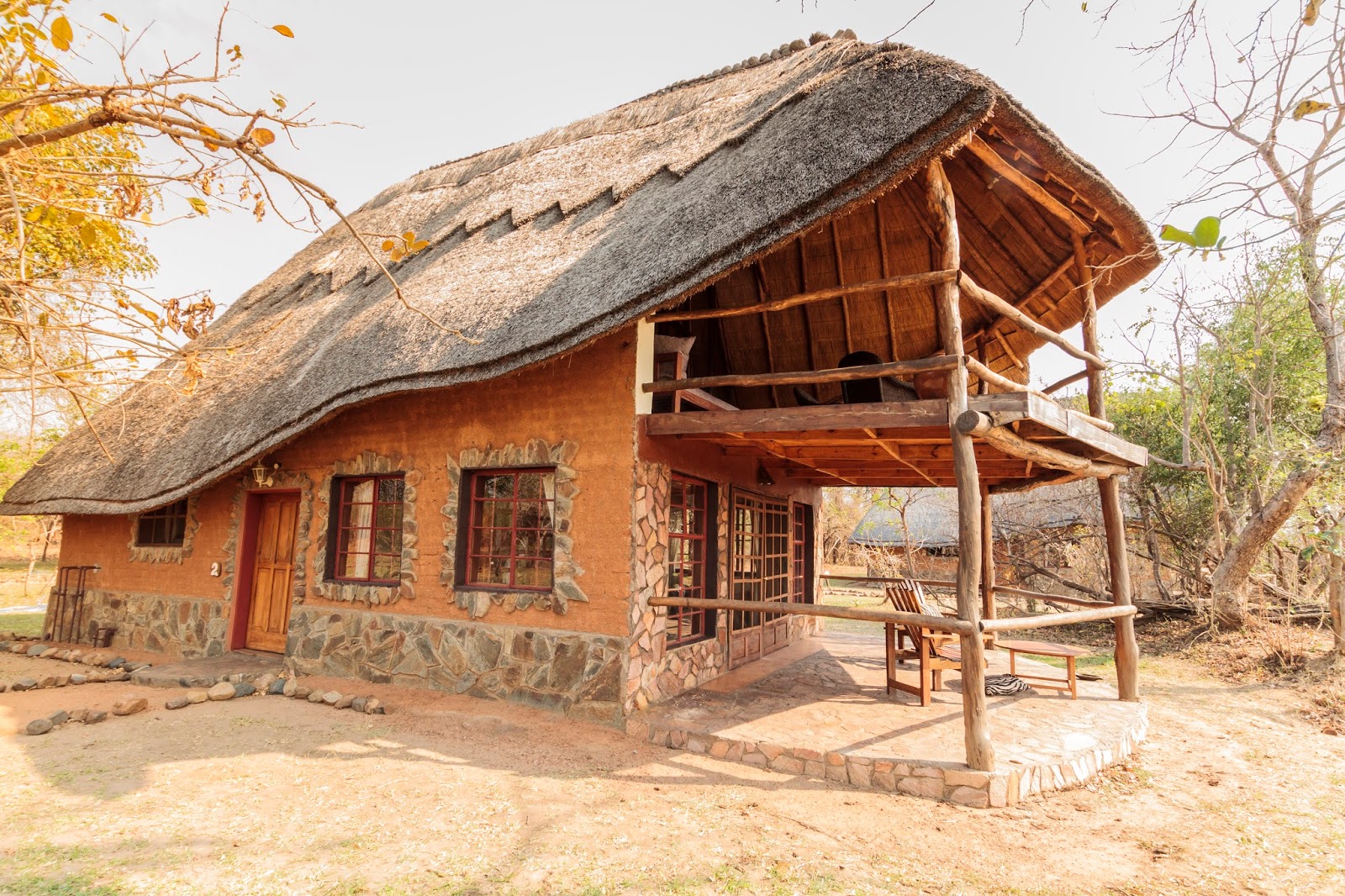
Finally we reached our next accommodation for the next 4 nights at Lake Masek Tented Camp. This was a mobile tented camp, which simply means the entire camp is relocated to a new area every 3 months until the rains arrive. All the facilities are inside tents, including the dining and rest areas. Our tent consisted of a flushing toilet area, shower area, dressing area and bedroom with a view out across the plains, which happened to have the largest bed we have ever slept in.
They had pushed 2 double beds together!
 |
| 'the bed' |
You have to book your shower to allow staff to heat the 20 ltrs allocated per person per day, bring it to your tent, pour it into a canvas bag and then raise it on pulleys above the tent. It was bliss each day to finish off the game driving with a nice warm shower and remove all the dust.
The daily routine here was to be in the breakfast tent by 6:00am and because it was still dark, we had to be escorted to breakfast usually by a spear carrying Masai. Why? Well, the camp is right out there amongst all the wildlife including the predators, there are no fences and only canvas at night between you and them. Every night you also had to be escorted back to your tent and weren’t allowed to leave it during the night.
Every night whilst drifting to sleep, we lay there on most nights listening to the sound of lions roaring somewhere relatively close to us. On a few nights, the roaring was also joined by the infrequent trumpeting of distant elephants!
But back to the routine here. We opted to come back to camp for lunch around 1:30pm rather than do full day treks, so we could load photos and take some chill time before heading back out again around 3:30pm and returning at 6:30pm.
 |
| enjoying the 'Bush TV' |
Then it was a quick shower, wash clothes and head back to the front of the dining tent for sundowners and to watch ‘Bush TV’ each night. There was only one channel and every night with camp fire ablaze, we all sat there gazing into the distance watching mother nature as the sun set or talking to other travellers about how each others day had gone.
Most evenings when we arrived back to camp, we would make our way to our tent as wild zebras grazed fairly calmly either next to or in front of the tents. Occasionally during the night we were woken by their munching right next to our tent walls, a very different experience indeed.

Our key wildlife sightings during our stay at Lake Masek Tented Camp were:
- multiple lion sightings each day, some walking right next to and past our car, others slowly munching on the previous nights hunt. These lions were very big due to the abundance of food.
- a beautiful cheetah sitting proudly near a lake and a mother and her 2 young cubs chilling out under a tree.
- a very relaxed leopard with its wildebeest kill secured high up in an acacia tree. This leopard was fabulous as it fed and moved its kill around up in the tree. When it came down, it would almost ‘pose’ for all the vehicles surrounding it.
- watching a very large herd of wildebeest crossing one of the large lakes, something Raymond had never seen happen in the last 9 years.
- LOTS of birds including multiple species of the brightly coloured Rolas, Greater Flamingoes, eagles, hawks, Fischer Lovebirds and finally a very close view of the Martial Eagle, Africa’s largest.
- Hippo mothers carrying their babies on their backs.
- Back to the birds, we took numerous photos of BIFs (Birds In Flight), BITs (Birds In Trees) and BOGs (Birds On Ground/Water).
 |
| Drive from Ngorongoro Crater to Ndutu and daily game drives within Ndutu |
Katikati Tented Camp
Again time to move and change to another mobile tented camp by crossing the border out of the Ngorongoro Conservation Area via the Ranger Post to get our permits to travel into the equally famous Serengeti National Park, with its huge area of 14,763 sq kms (5,700 sq mls).
In reality, the distance we travelled from the first tented camp to Katikati was probably no more than 8-12 kms but the borders are very strictly enforced by Rangers and means you can’t game drive across the border between the Ngorongoro and the Serengeti. Any guide who breaks the rules is heavily fined and banned from visiting the park for 2 years.
Up till now, Raymond had not joined us for any of our meals but starting in the first tented camp he did, which was great, because we all continued to learn more about each other. Raymond was very curious about Australia, our family, culture, the geography, climate and animals. We wanted to know more about Tanzania, his family, culture and lifestyle, so conversation was never an issue.
Raymond also wanted to learn how to take better photos with his own camera so we started teaching him some basics and slowly getting him to change a few settings and try them out the next day. Also explained the difference between good & bad light which would not only help him with his own photography but in positioning his vehicle for future guests. Every day, little by little as he learned and tried new things, the better his photos became and the more excited he got.
We had 3 nights in Katikati Tented Camp which also happened to overlook one of the large lakes of the Serengeti and continued watching ‘Bush TV’ every night during sundowner time before finally being escorted to our tent after dinner.
 |
| Katikati tented camp |
During the second night we were woken by a rapidly approaching and very active thunderstorm. Every night when we arrived back to camp we would hand wash our clothes and hang them up to dry. This tent had a small string clothes line outside the tent for this purpose and just as the patter of rain could be heard on the canvas roof, Rob’s instincts kicked in.
The sound of the zip on the front of the tent certainly woke me fully up as I said to Rob, “where are you going? We’re in Africa and there are things out there which can eat you!”. Our early morning game drive following the storm was interesting with water over the tracks. Raymond did a great job not getting bogged bust came close a few times.
Rob also celebrated her birthday in the Serengeti by having to be awake at 5:00am! After a fairly brief african massage, we were soon lying on our backs with 10 other people in a seated position, then were all gently lifted into the early morning sky. We were in one of two hot air balloons, slowly drifting, quite often at tree top level out across the vast Serengeti plains.
 |
| preparing for lift off.. |
 |
| drifting over the Serengeti |
 |
| lion 'game drive' in a balloon |
The lions, gazelles and zebra were occasionally startled by the balloon’s burners being used, as we passed over the top of them and even managed to spot an African rabbit. We travelled for over 60kms admiring the vastness of the Serengeti before it was time to land, an interesting experience involving 5-6 big bounces before a fairly abrupt stop in a cloud of dust.
 |
| Rob with baby zebra |
To greet us were not just the support vehicles but a lost baby zebra. It was very pleased to have some company so trotted a little warily over to us, with everyone soon wanting to have a pat and have their picture taken with it.
Unfortunately it wasn’t going to last very long after we left with the number of predators the Serengeti is famous for.
That night and after the main meal had been finished, all the staff in the camp came into the main camp singing and dancing in amongst all the guests before finally reaching Rob. She was presented with a proper birthday cake with candles lit which she had to blow out whilst everyone sang her happy birthday. The staff singing in Swahili didn’t finish until Rob had made the first cut in the cake.
The daily routine of game drives continued, including a long day travelling into the very different central Serengeti. The wildlife highlights whilst in Katikati included:
- Seeing a small pack of African Wild Dogs, a very rare sighting indeed. The last time Raymond had seen wild dogs was in 2008 and ALL the guides were excited about their presence.
- we very luckily spotted a large cheetah standing on a fallen tree as it scanned for prey. It was in hunting mode! Over the next 4 hrs and the only vehicle there, we watched and followed it. It made one unsuccessful sprint to catch an impala, had to rest for a few hours before finally going back into full stalking mode, a quick sprint and success. We didn’t get to see the actual kill behind a bush unfortunately, but did see the still kicking impala in the cheetahs jaws straight afterwards. We stayed watching this beautiful animal slowly devour its catch whilst all the time alert to other predators possibly wanting to steal it.
- saw how quickly what hyenas and their strong jaws can do. They had just found a zebra which had just died when we also arrived. Within a minute later, this is what had happened, a bit gross but as real as it can be.
- in the Central Serengeti there our large volcanic rock outcrops poking up from the vast plains. On one of these we watched a pride of about 13 lions enjoying the viewing position looking for prey and then one by one, climb down from their vantage point and meet near a small pool of water.
- having lunch near another hippo pool, this one with around 100 hippos in it of all sizes including young but not much water. The pool simply smelt shocking because of the amount of hippo waste in the water. They don’t like extra hippos joining them and get very aggressive with each other.
When it was time to leave the Serengeti and Katikati camp, we even did a game drive on our way to the Serengeti bush airport. We did not have any tickets, we didn’t have to go through any security (no building either) nor were any of our bags weighed. When our plane arrived, Raymond went out and talked to the pilot and we were all set to go.
 |
| daily game drives in Serengeti |
It was quite sad to say goodbye to Raymond, our terrific guide and now friend for the last 14 days, but after some very enthusiastic hugs all round, we boarded our single engined commuter plane with 10 others and Raymond started his 7 hour drive back to his family and home. It had been truly a privilege to spend time with a truly skilled, caring, sincere and nice person.
 |
| time for our next destination... |
We now settled into our 2.5hr flight east to the next destination and experiences of this trip!
 |
| the trip so far |
More NEW categories of photos can be seen by choosing one of the links below.
Warning - gory photos in this link